
The influence of Spanish payment preferences on casino platform design
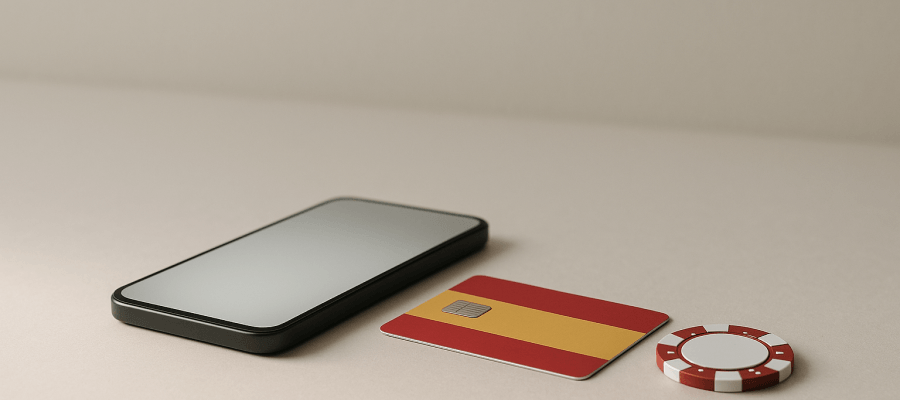
It’s no surprise that, according to Market Research Future, the Spain online gambling market size is expected to jump from $1.56 billion in 2025 to $4 billion by 2035. With online platforms becoming increasingly popular, many players across the nation can participate more conveniently. In other words, you don’t need to plan a trip to the Casino Gran Madrid Torrelodones to access the entertainment.
With just a few taps on your mobile phone, it’s now possible to immerse yourself from any place at any time. These online platforms have also mastered the art of making the gameplay more engaging. Through features like bonos sin depósito, for instance, they lower the barrier to entry and let players explore games risk-free. But beyond convenience and bonuses, operators are aligning with Spanish payment preferences to maintain their competitiveness.
After all, spinning reels or flipping cards are not the only reasons modern players log into online casinos. Today’s gamblers have become so discerning that the surrounding experience can either make or break their loyalty. This is why aligning with their preferences is an important ingredient for surviving in the Spanish online casino sector. So, how precisely do this country’s payment preferences affect casino design?
Catering to the growing need for security
Of course, where money is involved, cybercriminals are never far behind. And given that the Spain digital gambling market’s value is expected to increase significantly, it makes sense to see why these individuals are drawn to it. Take, for instance, the case where El País says over 7,700 Spaniards reported identity theft on online gaming platforms in 2023.
In another report by CincoDias, it was discovered that cybercrime in Spain increased by 19% between 2023 and 2024, highlighting a broader digital threat environment that also affects online casino operators. Interestingly, players are becoming more aware of this cybersecurity trend, which is why they only want to transact with secure platforms.
If a platform’s transaction methods are not supported by infrastructures like two-factor authentication (2FA), it may have a difficult time appealing to risk-averse users. And when users hear rumours about the platform’s involvement in a breach, a good number of them may become reluctant to transact with it. Others may even drop off and turn to competitors who are always a few taps away.
Integrating 2FA and clearly displaying secure payment options could help avoid these customer losses. Surprisingly, as simple as 2FA might sound, it can, according to DriveStrike, prevent exposure to up to 99% of cyberattacks.
Aligning with the increasing popularity of instant payments
The need for instant payments has become popular across the world, and Spain is no exception. Can you believe that, according to Stripe, the country processed 1.187 billion instant transfer transactions in 2024 alone? This is after it witnessed a record 1.011 billion of those transactions just the year before. Clearly, Spanish consumers, including gamblers, are increasingly turning from slow banking methods to instant solutions.
Waiting days for deposits to clear or withdrawals to arrive now feels as outdated as dial-up internet. And in the casino industry, where instant gratification is a significant part of the entertainment, delays can quickly sour the experience. This is why you may have seen instant payment options like Bizum on Spanish-facing casino platforms. Players want their funds to move as quickly as their decisions.
And when a withdrawal lands in minutes rather than days, it reinforces trust and keeps the entertainment alive after the final spin. It’s this preference for speed that pushes operators to streamline payment interfaces even further. As such, clear labels and visible processing times have become standard design features, helping players understand exactly what to expect before they commit.
Matching promotions to payment habits
Operators have long used promos as powerful tools to encourage exploration. But today, these features have evolved far beyond simple welcome bonuses or free spins. After all, you don’t want to just offer promos without considering how players like to play. Spain, for instance, has a high smartphone penetration rate. Imagine, as of 2023, the country had a mobile phone penetration rate of 128%, according to Helgi Library estimations.
Given the heightened convenience of these devices, it’s natural to expect most of the country’s players to use them to gamble. To tap into this behavior, casinos now offer in-app promotions and push notifications. Think of the promotions as something like, “Deposit with your phone in the next 2 hours and get 20 free spins.” Notifications of this kind feel immediate, much like a friend sending you a quick message rather than a lengthy email.
Interestingly, Invesp says such push notifications can boost app engagement by up to 88%. At a time when the Spanish digital gambling industry is becoming super competitive, which operator would want to miss out on such benefits? And mark you: Spain is also a highly localized country. In fact, Bizium already has over 30 million active users, and many Spaniards treat it as their default way to send money.
If you, as an operator, tie promotions into this specific method, you’ll be more likely to resonate with the country’s population. This could mean offering a small deposit or extra spins if a player deposits using Bizium. Since Spaniards are already familiar with the app, tying the promos to Bizium could make the experience feel more natural and frictionless. However, it’s important to avoid confusing terms, as that could reduce trust and increase churn.
Making the right payment methods easy to find
Well, as much as Bizium is extremely popular in Spain, it doesn’t mean every player will prefer using it. Others may favor credit cards or newer options like cryptocurrency. If these players have a difficult time spotting their favorite transaction methods, they may get frustrated and leave a platform. But if the payment section is easy to navigate, it can significantly improve the player experience.
Some platforms go the extra mile to personalize the experience. With a customer’s transaction data, they can determine users’ preferred method and recommend it the next time the player logs into the casino. For instance, if you frequently use credit cards, the platform will highlight it as the default option on the next visit, which, in turn, reduces friction and fuels loyalty.
In other words, Spanish-facing operators know very well that penetrating the Spanish online casino market requires an understanding of the local payment habits. Just copying global templates might not work for this highly aware industry. In response, these companies have been integrating both user-friendly and secure payment solutions into their interfaces to ensure players can engage with little or no friction.