
From Mechanical to Mobile: The Tech Behind Australia’s Pokie Boom
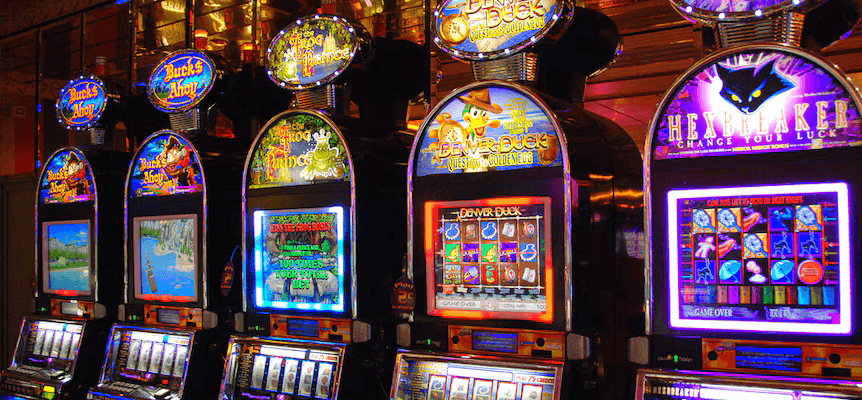
Machines that once needed a lever and a solid push have become something that now fits inside a pocket. Over the past few decades, pokies in Australia have gone through a full transformation, shaped by changes in both design and technology. The original machines were built for simplicity and mechanical reliability.
Today’s versions are part of digital networks, designed for mobile use and powered by software that tracks every move. With mobile apps and browser-based play becoming standard, many platforms now offer access to online pokies Australia-wide, taking what once was a pub activity and turning it into a national online pastime.
From Mechanical Reels to Video Screens
In the early days, pokie machines in Australia were entirely mechanical. They first appeared in Tasmania during the 1950s, then spread to New South Wales after laws changed to allow real-money play. These machines used physical levers to spin three reels, and the symbols were often simple ones: cherries, bars, or sevens.
Coins would drop into trays when a winning combination appeared. There were no screens, no sounds from speakers, and no way to change what the machine displayed without opening it up. That all started to shift in the 1980s. Technology moved the format away from moving parts and toward electronics.
Reels were replaced with video screens, and the physical lever was often swapped out for a simple button. The change meant less maintenance and more reliability. It also gave game developers more room to work with.
Early examples from manufacturers like Aristocrat introduced machines that showed animations, allowed for multiple paylines, and included bonus stages. The screens could now display symbols that moved or reacted during play, something mechanical versions couldn’t offer.

Online Shift and Mobile Compatibility
After pokies went digital, the move to online formats followed naturally. The internet allowed machines that were once stuck in venues to appear on personal devices, from laptops to smartphones. A game that once ran on hardware inside a club could now run on a browser or app.
This shift was made possible by the rollout of 4G and later on 5G networks, improvements in HTML5 coding, and the wider use of content delivery networks (CDNs) that support fast game loading. These tools helped developers build games that could load quickly, respond smoothly to input, and stream animations or sounds without long delays.
Touchscreen support became another key part of the shift. Devices like iPhones, Android phones, and tablets allowed users to tap or swipe to trigger spins, access bonus rounds, or adjust settings.
Unlike early flash-based games that required mouse input and desktop-only use, HTML5 allowed the same game to work on almost any screen without needing a separate mobile version. Developers began designing with responsive layouts, which adapted automatically to the user’s screen size, orientation, and resolution.
Security, Systems, and Regulation
As pokies moved online, regulation had to adapt to the new format. In Australia, the Interactive Gambling Act 2001 sets the national framework for how online pokie-style games and other digital betting services operate.
Land-based machines remain under state and territory laws, so developers and operators must meet both federal digital requirements and local venue standards. This mix of oversight led to tighter systems that blend legal compliance with technical design.
Modern platforms use encrypted transactions, two-step player verification, and data protection protocols to meet security obligations under the law. Timed session limits, self-exclusion options, and audit tracking are now part of the software itself rather than separate tools. The structure of the technology makes compliance automatic, with records stored on secure servers for review when needed.
What the Next Phase Might Look Like
The next stage of pokies may depend less on physical cabinets and more on immersive or responsive tech. Developers are starting to explore formats that no longer rely on fixed screens or traditional button inputs. There’s early movement toward machines that use motion sensors, facial tracking, and gesture-based controls.
SmartV Slot Machines are an example of this direction. These systems use 3D holographic visuals, allowing the gameplay to appear in front of the user without needing a flat screen. The reels and symbols are projected in a way that can be viewed from different angles, which changes how the game feels in real space.
At the same time, VR development is also growing. NetEnt has launched several virtual reality titles like Gonzo’s Quest VR and Jack and the Beanstalk VR, where the entire game runs inside a headset. Instead of watching reels spin, the user looks around and interacts with the environment directly.
Other ideas include AR features on mobile phones, where the screen shows a mix of the physical world and game elements. These technologies are not yet the norm, but they hint at a version of pokies where the machine might no longer be needed at all.